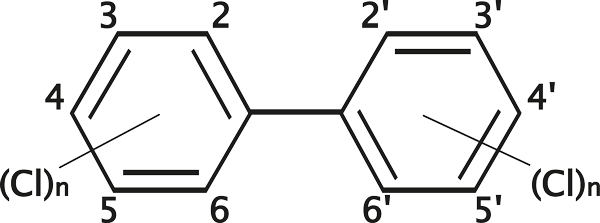
Polychlorinated Biphenyls (PCBs) are synthetic chemical compounds that are widely used in various industries such as lubricants and transformer oils. Although their use has been banned for a long time in various countries, the negative impacts of PCBs can still be felt today because of their persistent and difficult to decompose nature. Therefore, the process of remediation or cleaning PCBs is a major challenge in environmental management. Here are some remediation techniques that can be used to overcome PCBs pollution in the environment.
1. Bioremediation
The bioremediation process utilizes the presence of microorganisms such as bacteria and fungi to break down, degrade, change and/or remove contamination of something. Bioremediation techniques are divided into 2 types, namely biostimulation and bioaugmentation. Biostimulation is an effort to add nutrients to a polluted environment in order to stimulate the activity of autochthonous microorganisms. While bioaugmentation is the addition of bacterial cultures to accelerate the degradation process by microorganisms.
2. Phytoremediation
Phytoremediation is an environmentally friendly remediation technique using plant media to absorb PCBs compounds in soil or water through roots and store them in vegetative parts. Remediation using this technique tends to be inexpensive and has little or no destructive impact on soil fertility and structure. The disadvantage of this technique is that it takes a long time and is less efficient to implement on large areas.
3. Dehalogenation with chemicals
This technique uses chemicals to convert PCBs into low-level toxic compounds by progressively substituting chlorine. Chemicals that can be used for this remediation process include Mg, Zn, acid or base solutions, Fenton reagents and low-valent metals (Kulkarni, et al., 2008). Although this technique can remediate PCBs faster than biological techniques, this dehalogenation technique has a significant impact on the environment due to the use of high temperatures and strong acid and alkali conditions.
4. Activated carbon
Activated carbon has a very porous structure so that it can be used to absorb harmful organic or inorganic compounds by adsorption. Adsorption is a process in which the adsorbate will be attracted to the surface structure of a material. Based on research conducted at Hunters Point Shipyard San Francisco, there was a decrease in PCBs levels of 73% within 60 months after the addition of activated carbon to sediment contaminated with PCBs (Choi, et al., 2009).
Read also: Economic Analysis of PCBs Impact
References:
Jing R, Fusi S and Kjellerup BV. 2018. Remediation of Polychlorinated Biphenyls (PCBs) in Contaminated Soils and Sediment: State of Knowledge and Perspectives. Front. Environ. Sci. 6:79.
Kulkarni, P., Crespo, J., and Afonso, C. (2008). Dioxins sources and current remediation technologies—a review. Environ. Int. 34, 139–153.
Choi, H., Al-Abed, S. R., and Agarwal, S. (2009). Catalytic role of palladium and relative reactivity of substituted chlorines during adsorption and treatment of PCBs on reactive activated carbon. Environ. Sci. Technol. 43, 7510–7515.