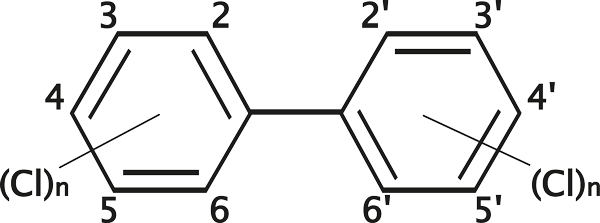
Polychlorinated Biphenyls (PCBs) waste pollution from transformers, capacitors, and electrical equipment is a very serious problem. This pollution has an impact on public health, damages ecosystems, disrupts ecological balance, and even causes a significant economic burden including management costs, remediation and social losses arising from its impact on health and ecosystems. The existence of PCBs that are stable and easy to accumulate also makes management and remediation a major challenge for Indonesia.
PCBs management involves various stages that require large costs and special handling. Government regulations related to PCBs management are very strict, encouraging related parties to follow complicated procedures and meet high safety standards. The following are costs associated with PCBs management, including:
1. Identification
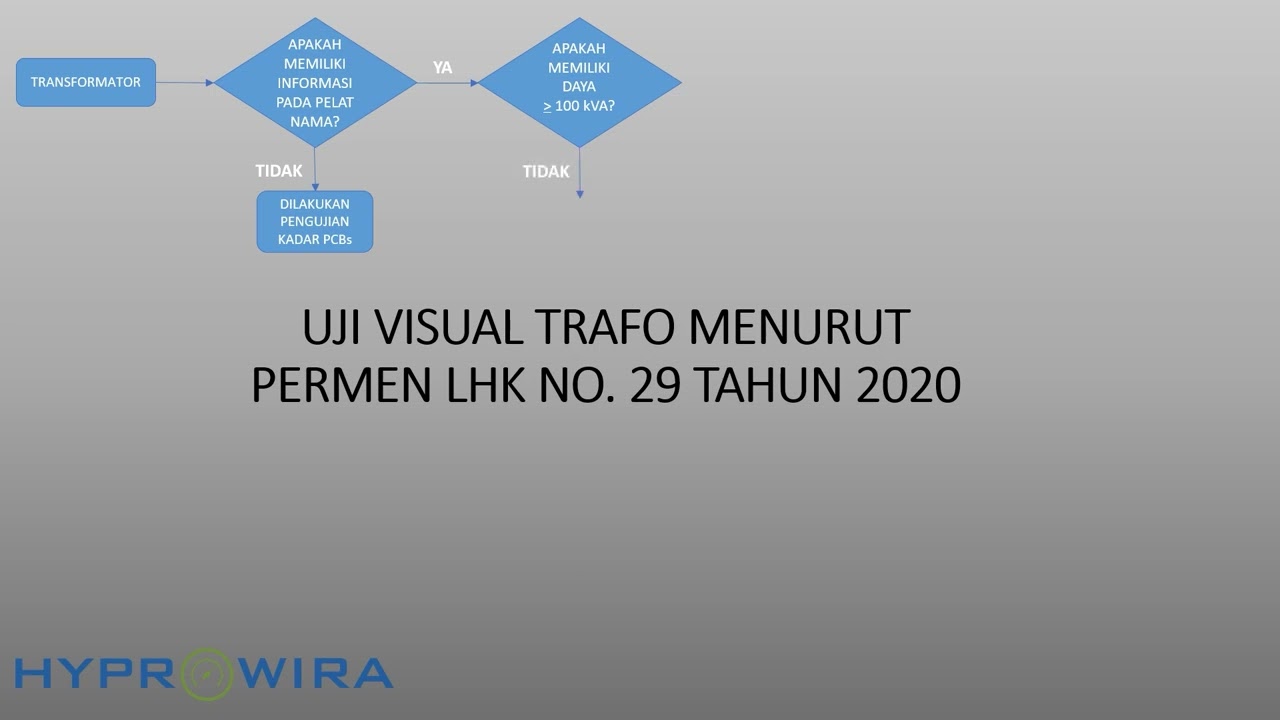
One of the first steps in PCBs management is to identify the presence of PCBs compounds. This identification can be done by visual inspection and/or laboratory inspection which requires high costs.
2. Waste Storage and Processing
After identifying PCBs compounds, the next step is waste storage and processing. This storage requires special containers and areas in accordance with B3 waste management regulations and thermal processing or with expensive chemicals. This storage and processing must be closely monitored to prevent cross-contamination.
3. Transportation of PCB Waste
Transportation of PCB waste from the place of contamination to the storage and processing site requires high costs considering the strict regulations and safety procedures that must be followed.
PCB remediation is an activity to eliminate or reduce the concentration of PCBs in the environment. This process is very complicated and complex so that the costs required are very expensive and vary. The following are factors that affect the cost of PCB remediation:
1. Contamination Level
One of the main factors that determines the cost of remediation is the level of PCB contamination. If the concentration of PCBs is high, the cleaning process becomes more complicated and requires more sophisticated technology.
2. Remediation Method
As explained in the article "Polychlorinated Biphenyls Remediation Techniques", there are various remediation techniques and these processes require high costs both in installation or routine maintenance and take a long time.
3. Project Scale and Location
Remediation projects in large areas, such as large industrial sites or factories that are heavily contaminated, will require more time, equipment, and labor. Accessibility of the location also plays an important role, if the location is difficult to reach or is in a remote area, logistics and transportation costs will increase.
In addition to the direct costs of management and remediation, PCBs pollution also has wider social and economic impacts. Some indirect costs that arise from PCBs pollution include:
1. Health Costs
Exposure to PCBs can cause a variety of health problems, ranging from cancer to endocrine and neurological disorders. The long-term medical and health care costs associated with diseases caused by PCBs are very high. In addition, workers exposed to PCBs in the workplace also require large compensation costs.
2. Economic Losses from Decreased Productivity
Exposure to PCBs can reduce labor productivity, both directly (due to health problems) and indirectly (due to the inability to work due to medical treatment). This can affect economic sectors that depend on a healthy population.
3. Damage to Ecosystems
PCBs accumulate in the food chain and can damage ecosystems, especially contaminated species. The impact on marine ecosystems, for example, can damage natural resources that support the fisheries sector. Restoring damaged ecosystems requires very high costs, both in terms of habitat restoration and in the management of endangered species.
4. Decrease in Property Values
Soil contaminated with PCBs can cause a decrease in property values ??around the area. The remediation process to remove PCB pollution is very expensive and can take a long time, so that property values ??in areas contaminated with PCBs become low.
References:
Jing R, Fusi S dan Kjellerup BV. 2018. Remediation of Polychlorinated Biphenyls (PCBs) in Contaminated Soils and Sediment: State of Knowledge and Perspectives. Front. Environ. Sci. 6:79.
Meyer, Nicole M. 1991. The Economic Impacts of PCB’s in the Hudson River: A Cost-Benefit Analysis: City University of New York
Peraturan Menteri Lingkungan Hidup dan Kehutanan Republik Indonesia No. 29 Tahun 2020
PPLI. 2024, 14 Mei. Harga Pengolahan Limbah B3. Diakses pada 2 Januari 2024 dari https://ppli.co.id/harga-pengolahan-limbah-b3/harga-pengolahan-limbah-b3-2/