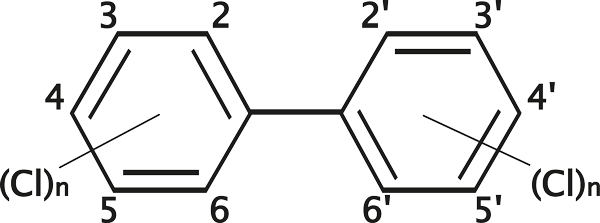
Polychlorinated Biphenyls (PCBs) are chemicals that are very dangerous to the environment and human health, so their management requires serious attention. One method used to process PCBs is the thermal method, which involves heating to destroy or convert PCBs into harmless forms. This thermal method is very effective in destroying PCBs because the compounds are very stable at room temperature and can only decompose at high temperatures. One of the main techniques in thermal processing of PCBs is incineration in an incinerator specifically designed to handle these hazardous chemicals.
In the thermal incineration process, PCBs found in industrial waste are burned at very high temperatures, generally more than 1,200°C. This combustion results in the destruction of PCB molecules into simpler and safer compounds, such as carbon dioxide and hydrochloric acid. The main advantage of this method is its efficiency in eliminating PCBs almost completely. However, to ensure that the incineration process runs optimally and safely, a strict monitoring system is needed to prevent the emission of other hazardous pollutants that can be produced during incineration, such as dioxins and furans, which are also very toxic.
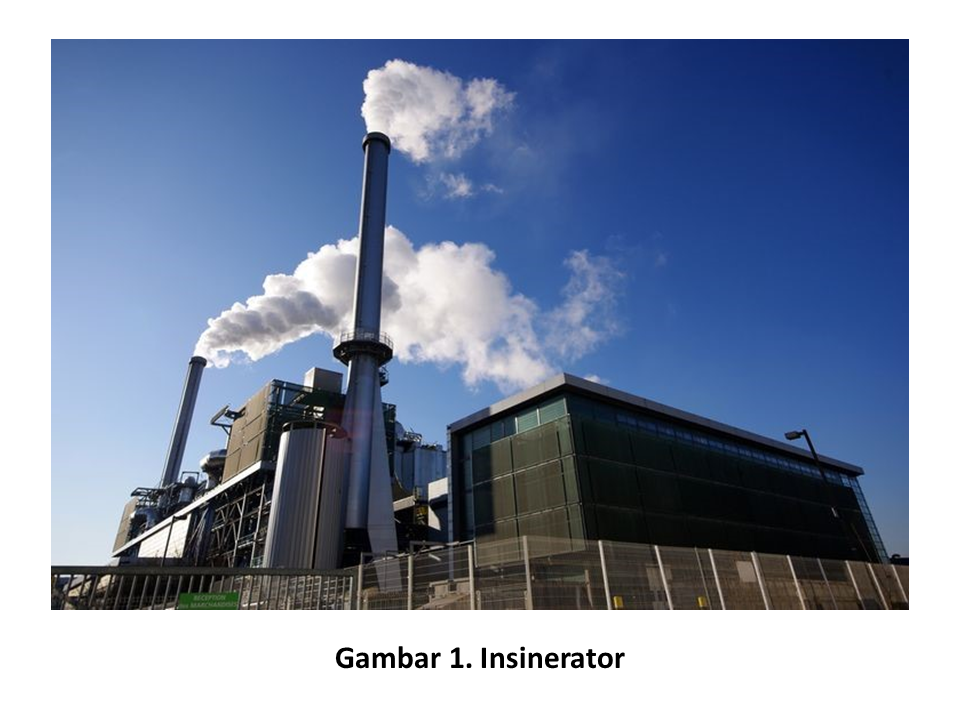
Although effective, thermal PCB processing requires significant investment in infrastructure and technology to ensure that the incineration process is efficient and safe. In addition, the resulting waste gas must be managed carefully, considering the potential hazards posed by other toxic compounds. Therefore, before deciding to use thermal methods, it is important for waste management companies or facilities to consider various technical and environmental factors, and ensure that they comply with strict regulatory standards related to the management of hazardous chemicals such as PCBs.
However, although thermal incineration has proven effective in destroying PCBs, there are challenges related to operational costs and management of the resulting gas residue. Therefore, research is ongoing to develop more efficient and environmentally friendly technologies. For example, the use of fluidized bed reactors developed for PCB processing shows great potential to increase process efficiency while reducing hazardous emissions. This technology allows for more stable and even combustion, as well as easier management of the resulting residue.
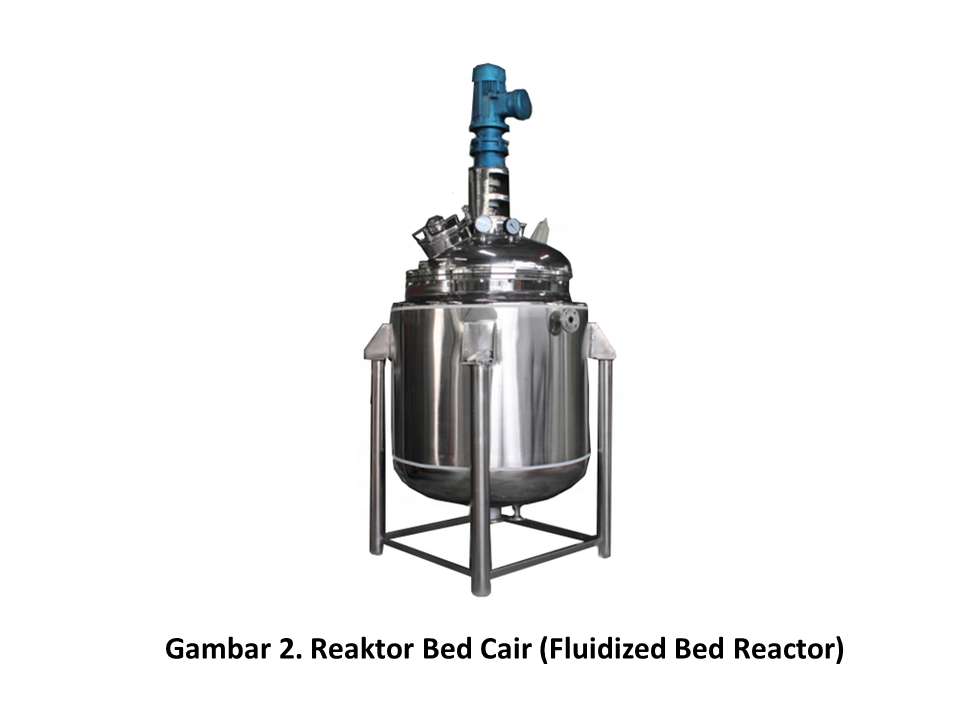
In addition, the use of thermal destruction technology can also be combined with other methods, such as pyrolysis and gasification, which focus on the treatment of hazardous chemicals at medium temperatures without producing toxic emissions. This combination of methods provides a more flexible alternative that can be adapted to various industrial conditions. Further research in the development and application of this technology will greatly assist in creating more effective and sustainable PCB management solutions in the future.
Read also: Cross-Contamination of PCBs
References:
1. Lin, L., et al. (2020). Thermal Treatment Technologies for PCB Waste: A Review of Methods and Industrial Practices. Science of the Total Environment, 732, 139266.
2. Sakurai, M., et al. (2018). Destruction of PCBs by Thermal Treatment in a Fluidized Bed Reactor. Journal of Hazardous Materials. 354, 94-101.
3. Zhao, H., et al. 2019. Thermal Destruction of Polychlorinated Biphenyls (PCBs) and Dioxins in Waste Materials: A Review. Environmental Science & Technology. 53 (4), 2011-2025.