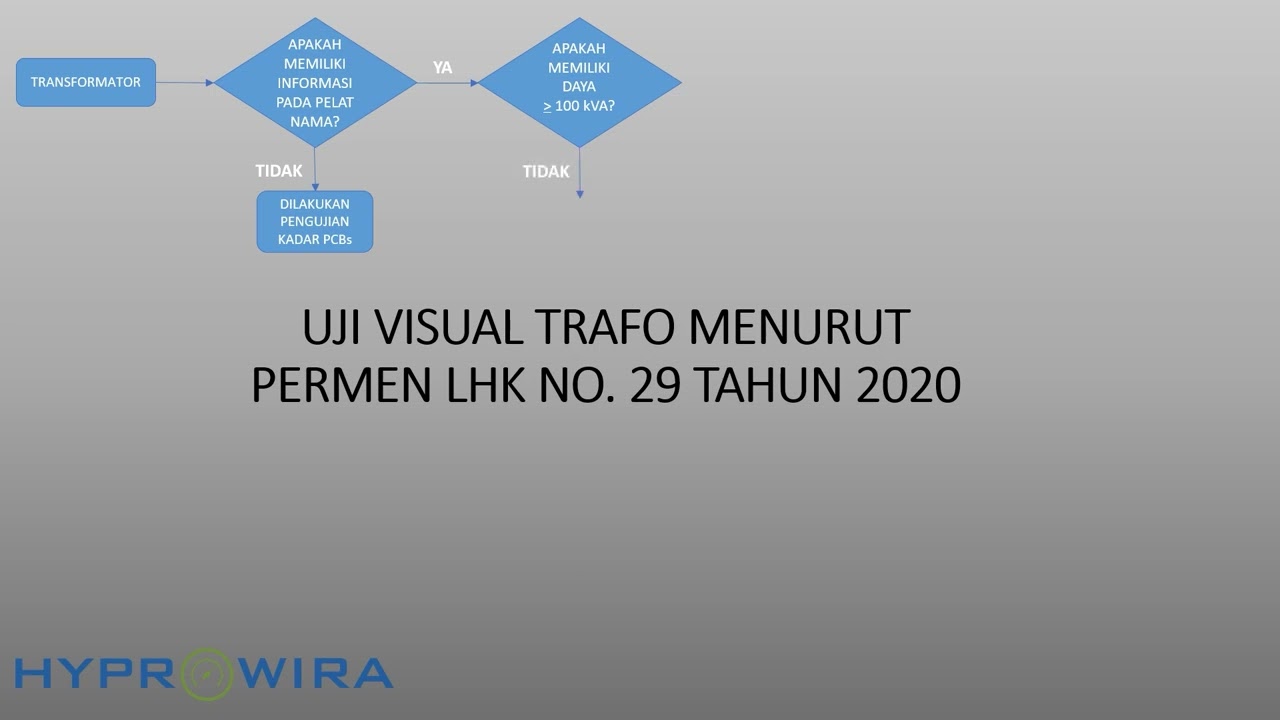
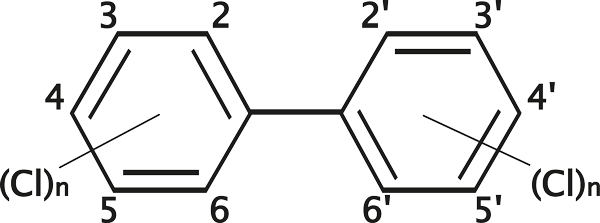
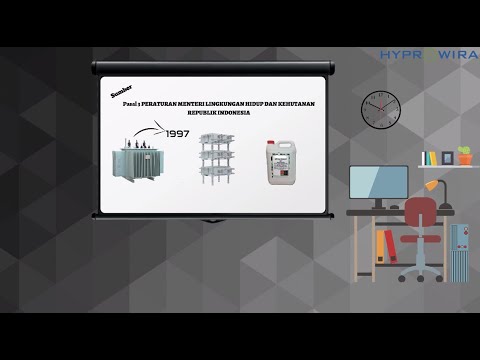
Since 1977, the use of PCBs in transformers and capacitors has been discontinued. This regulation was enforced because PCBs are included in the category of POPs or Persistent Organic Pollutants which are harmful to living things and the surrounding environment.
Although its use has been banned for a long time, the impact of the presence of PCBs can still be felt. Its persistent nature makes PCBs difficult to degrade and can last a long time in the environment. PCBs in small amounts can be found in almost all air (indoors and outdoors), soil, water, sediment and animals. Air and food are the main sources of PCBs exposure in humans.
According to the Agency for Toxic Substances and Disease Registry, it is known that the level of PCBs exposure in the human body has decreased, from 1.9 nanograms to less than 0.7 nanograms. However, the level of PCBs exposure in fish is still quite high so that the spread of PCBs through the food chain is quite worrying. In addition to the food chain, PCBs can also enter the environment through transformer oil spills or leaks and improper and inefficient disposal technology.
Reference:
Agency for Toxic Substances and Disease Registry (ATSDR). 2000. Public Health Statement for PCBs. Atlanta. Department of Health and Human Services, Public Health Service. Accessed October 08, 2024 from: https://wwwn.cdc.gov/TSP/PHS/PHS.aspx?phsid=139&toxid=26