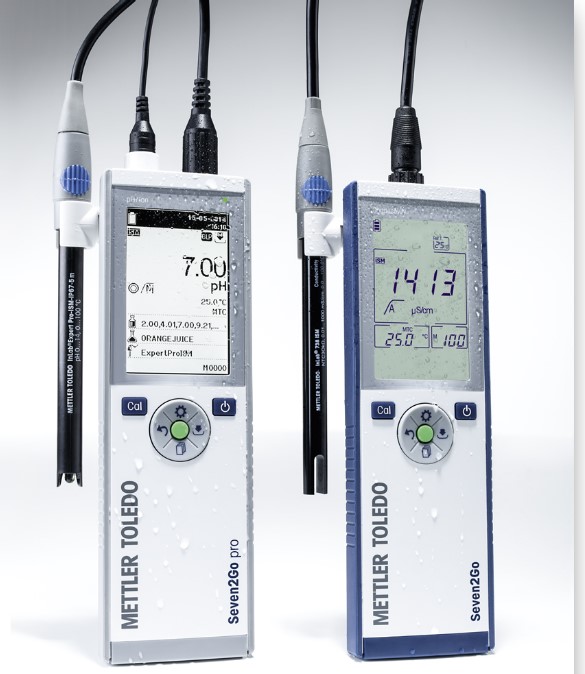
Each solution has a different degree of acid or base, depending on the activity of the hydrogen ions in it. In a scientific context, the calculation of these degrees can be calculated accurately using a device called a pH meter. However, do you know how the actual pH meter works? Check out the following brief review to get to know more about this pH meter.
Knowing a pH Meter: Definition and History
As the name suggests, a pH meter is a scientific measurement instrument used to determine pH levels. This tool calculates the activity of hydrogen ions in a water-based solution which will determine the acid or base level of the solution. The calculations are required in a variety of scientific applications, from laboratory experiments to the quality control stage of a sample.
The concept that is now used in the working system of pH meters was first coined in 1934 by a chemist from the United States, Arnold Orville Beckman. At that time, the device was called an "acidimeter" and was used to examine the acidity of the lemon juice.
The instrument, which was originally only a prototype, was later developed over the course of several decades. In 1956, Arnold perfected his invention by launching the pocket pH meter, an analog system pH measuring instrument that was easier to use. Meanwhile, digital pH meters that are commonly found today were only introduced in the 70s.
PH Meter Working Principle
While working, the pH meter will measure the voltage between the two electrodes and convert the result to a pH value. This process involves a glass electrode (a glass electrode) containing a sensor probe that is connected to an electronic device as a measuring instrument and a value indicator.
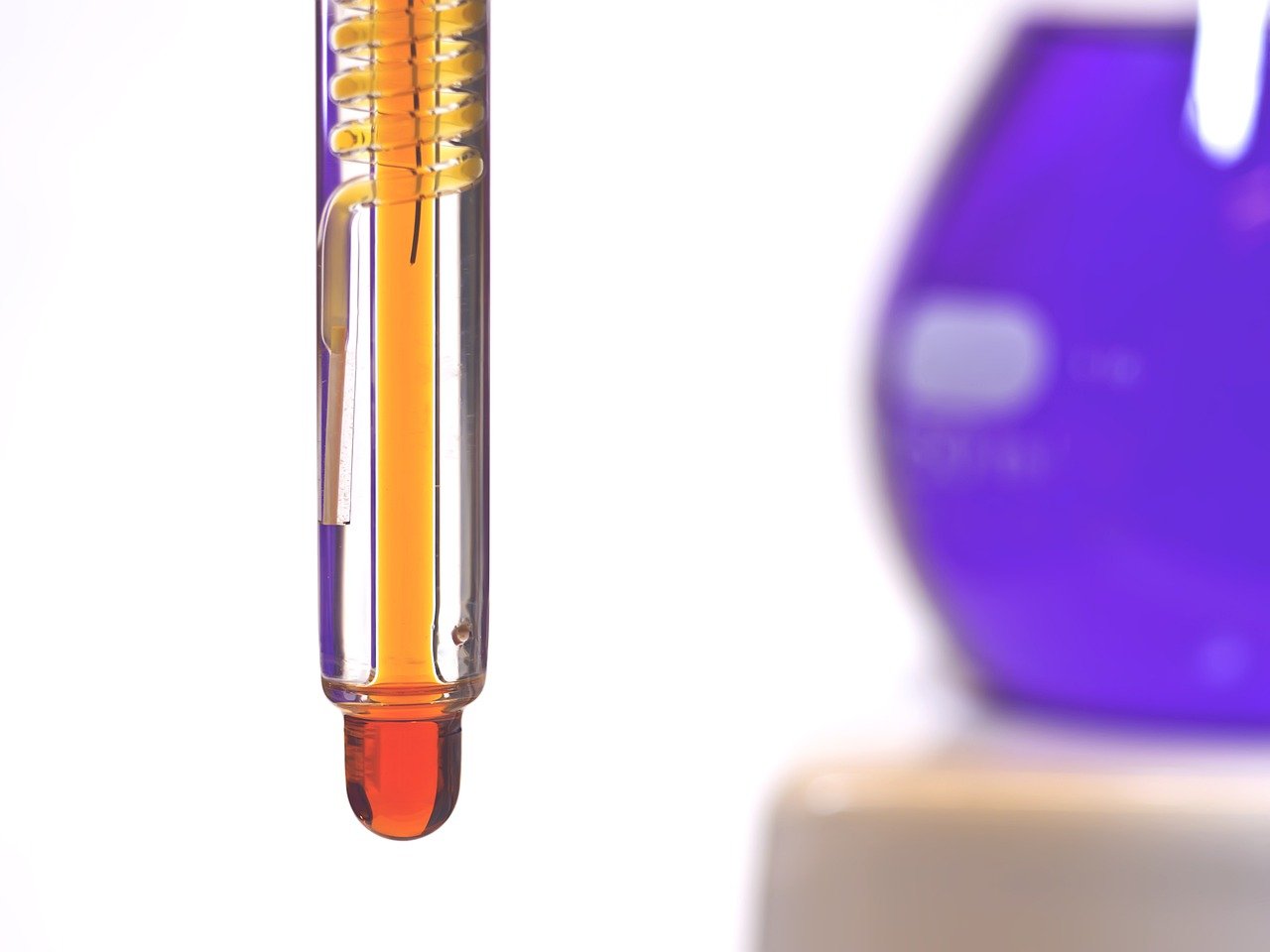
Basically, the working principle of a pH meter lies in the arrangement of the instrument. The sensor probe contained in the glass electrode is a bulb layer 0.1 mm thick. The bulb is attached to an elongated plastic layer or a non-conducting glass cylinder.
By using the electrochemical concept, the glass electrode which already contains the sample solution to be tested for pH will be measured the potential and levels of hydrogen ions. The measurement results are also used to complete the electrical groove on the comparison electrode which later determines the pH of an acidic or alkaline solution.
Important Things to Look For When Using a pH Meter
After knowing the working principle of a pH meter, you can apply these principles in the actual use process. However, to use a pH meter with the correct rules, there are several important things that need to be considered as follows:
- After turning on the pH meter, you will have to do a number of initial preparations, including cleaning the electrodes and prode and selecting the pH buffer.
- When entering the calibration stage, make sure you have put the buffer in the right position.
- Do not immediately use the pH meter because the calibration needs to wait for 1-2 minutes first.
- Make sure to clean all parts of the pH meter every time you use it. Cleaning can be done by wiping with a tissue and storing the tool in a dry and awake place.
This is a brief explanation of the working principle of a pH meter along with its understanding, history, and a number of important things that must always be considered in its use. You can use the information above as a guide in using scientific tools to calculate the pH level of a solution.
To make pH calculations more accurate, you can rely on the Benchtop Meters device as the right solution. The technology presented by this tool will ensure that your measurement performance is more optimal with a high level of accuracy.