What must be done to find out the pH level of a solution? Some people may choose to use litmus paper or a universal pH indicator as an answer. Even though the answer is not wrong, it turns out that there are other tools that can be used to determine the pH of a solution more quickly, precisely, and accurately.
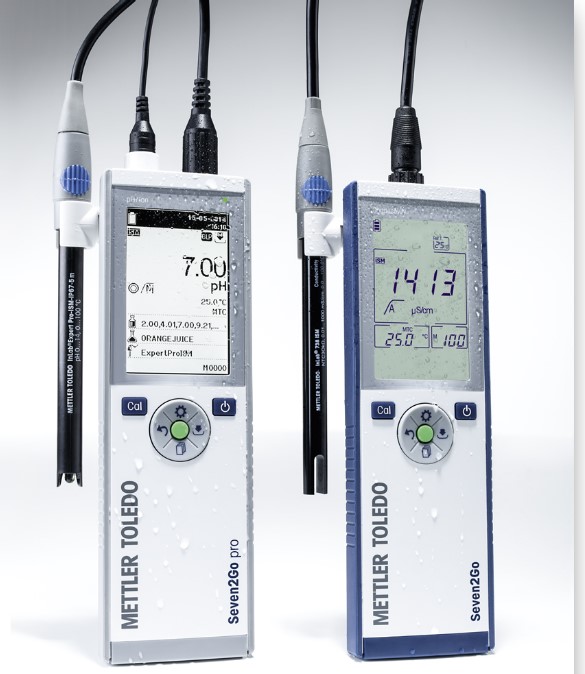
The tool is called a pH meter. As the name suggests, a pH meter is an electronic device used to check the neutrality and degree of acidity and alkality of a solution. This tool can display the pH value accurately if all parts are functioning properly.
The parts of the pH meter are an inseparable unit because each of them has an important function to be able to produce the pH value of a solution. Here are the five main components contained in a pH meter and the functions they have:
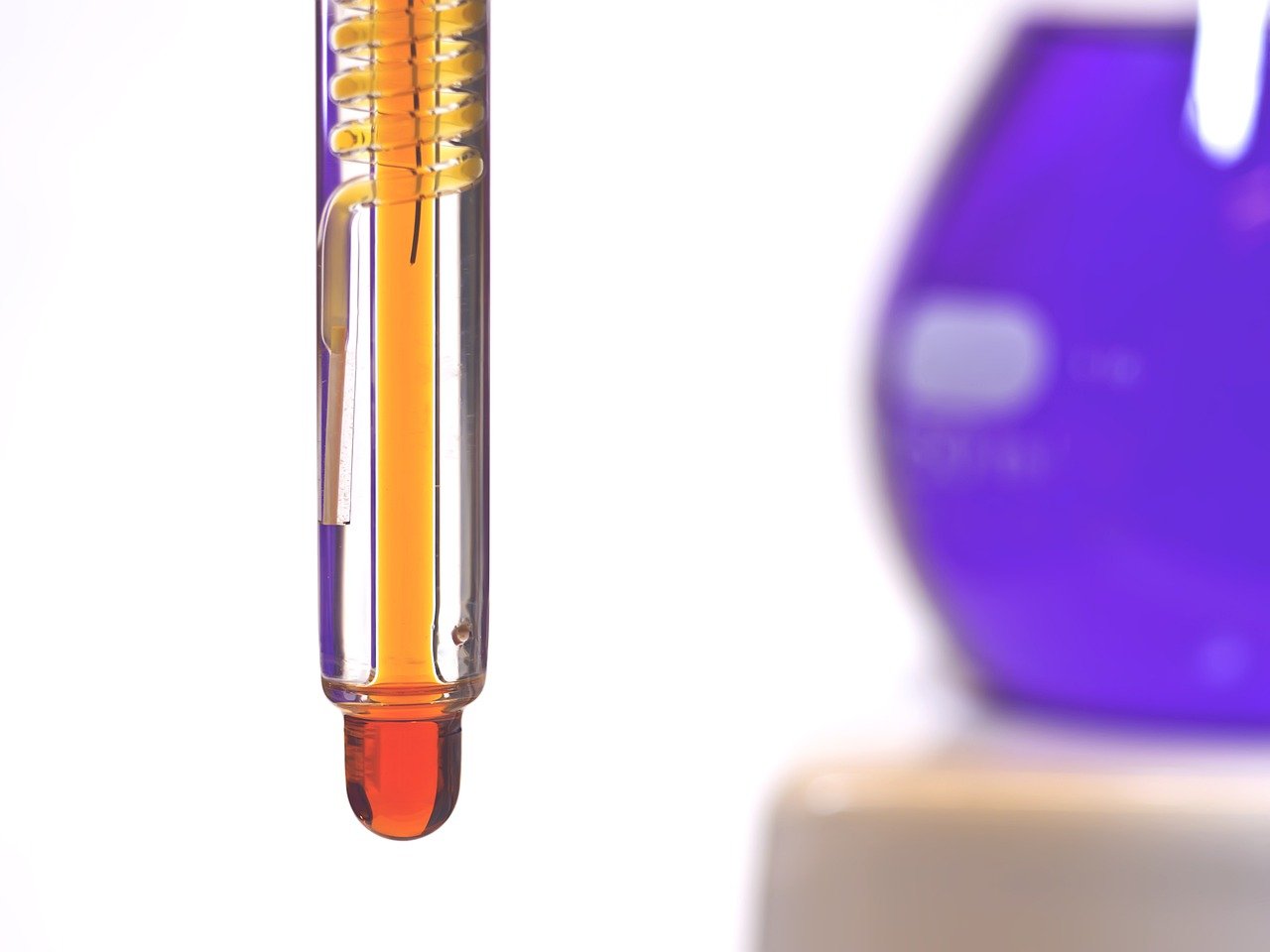
Glass Electrode
Between the two electrodes immersed in the solution, the glass electrode component acts as one of the poles. This component also consists of a bulb or a round layer at the end. Its function is to become a place for positive ion exchange which causes a potential difference between the two electrodes under test.
The glass electrode can be said to be a core component in a pH meter instrument. The reactions that occur in this section will show the potentiometer reading. The result can be negative (acid), positive (basic), or illegible — meaning the solution is neutral.
Reference Electrodes
The reference electrode is the opposite pole of the glass electrode. When these two electrodes are energized and immersed in a type of solution, an electrical circuit is formed that determines the pH level of the solution.
However, the reference electrode has a potential value that does not change with any solution conditions. The electric current formed and the resulting value only measures the size of the reaction potential of the glass electrode when it is attached to this electrode.
Thermometer
Another component that must be owned by a pH meter is a temperature sensor or thermometer. This is in accordance with the principle of calculating the degree of acidity which can be affected by the temperature of the solution being tested.
If the solution has a neutral pH of 7, the change in temperature is not considered to have an effect. However, if the sample solution is acidic (pH less than 7) or alkaline (pH greater than 7), the temperature measurement by a thermometer will determine the accuracy of reading the pH value of the solution.
Amplifier
In parts of a pH meter, a voltage amplifier - better known as an amplifier - is an important component that plays a role in determining the pH value. Just as a thermometer amplifies calculations involving temperature, the amplifier will also make the pH reading more accurate.
This component will ensure that the voltage count is in the range 0-14 (pH range) so that the determination of the degree of acid, base, and neutrality of a solution can be calculated accurately.
Microprocessor
In a pH meter working system, the microprocessor plays a role in translating the voltage value of the amplifier, calculating the temperature measurement, and reading the pH value of a solution. In other words, this component will ensure that all processes carried out by other components are running properly so that it displays the pH value of the solution on the LCD screen contained in a pH meter unit.
That is a brief explanation of the parts of the pH meter and the functions and roles that each component has in the process of determining the pH value. For use in industrial or scientific research contexts, choosing a pH meter with complete components is a must. In this case, a pH meter from Mettler Toledo can be the main choice for the pH measurement needs you want to do.