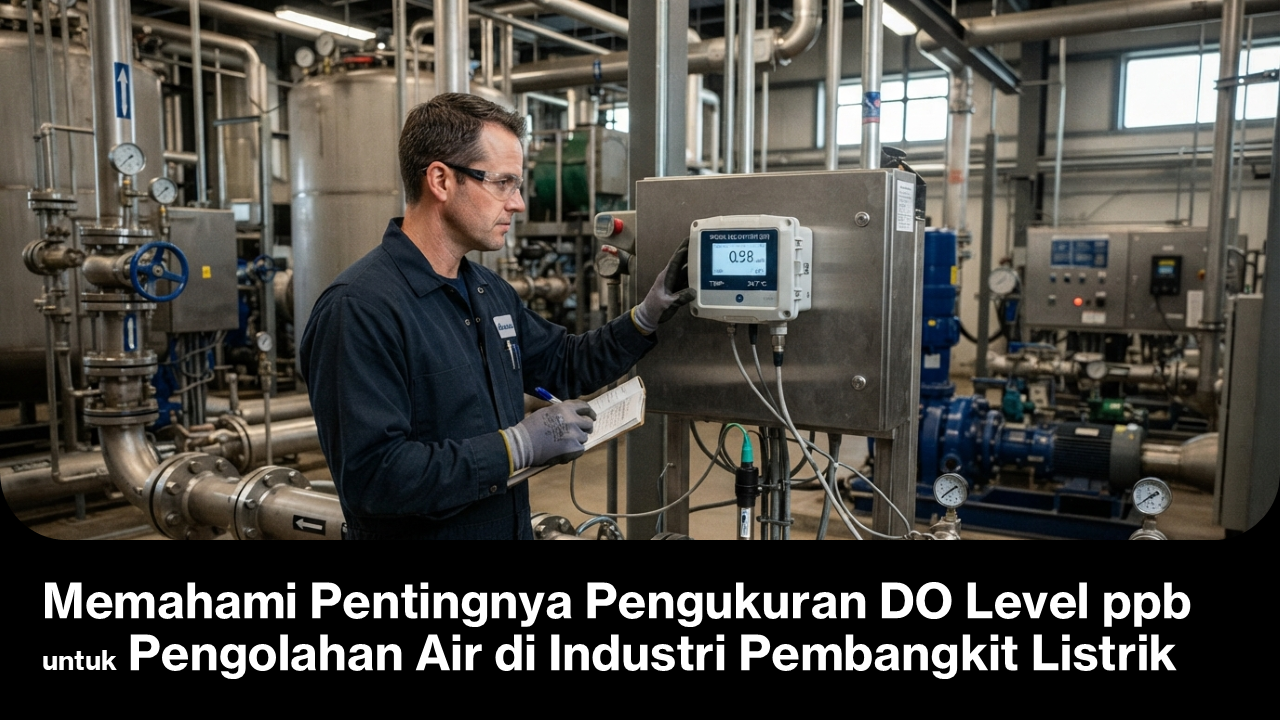
Water quality is a critical factor in maintaining the reliability and operational efficiency of power plants. Within boiler systems, feedwater, and steam cycles, the presence of even minute concentrations of dissolved oxygen (DO) can trigger corrosion in pipes, boilers, and various metallic components. Consequently, measuring DO at the parts-per-million (ppm) level is insufficient; it must reach the parts-per-billion (ppb) level to ensure that dissolved oxygen concentrations can be monitored with greater sensitivity and accuracy.
Measuring DO at the ppb level is particularly vital in power generation systems that utilize high-purity water, such as boiler feedwater and condensate systems. Under certain conditions, dissolved oxygen can react with metal surfaces, causing corrosion that may lead to the formation of deposits, an increased risk of equipment damage, and reduced heat-transfer efficiency. Through continuous DO monitoring, operators can evaluate the effectiveness of deaeration processes, oversee the performance of water treatment systems, and detect shifts in oxygen concentration early—before they escalate into more serious operational issues.
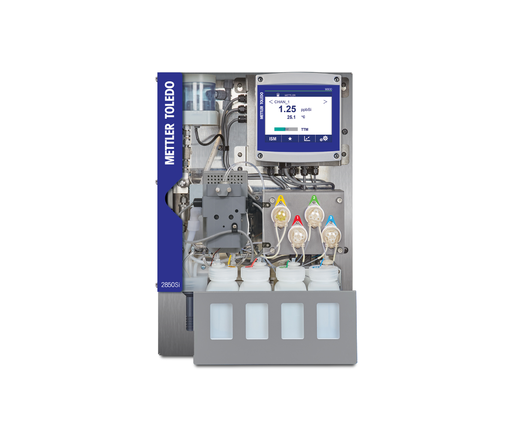
To obtain reliable measurement results, the power generation industry requires DO sensor technology capable of detecting oxygen at extremely low concentrations with both speed and stability. One such solution is the InTap Optical Dissolved Oxygen Sensor from Mettler Toledo, which is engineered for high-sensitivity dissolved oxygen measurement. This optical sensing technology facilitates DO monitoring in high-purity water applications, enabling power plant managers to implement more effective water quality control. By accurately measuring DO at the ppb level, the potential for corrosion is minimized, system reliability is enhanced, and long-term power plant operations become more efficient.