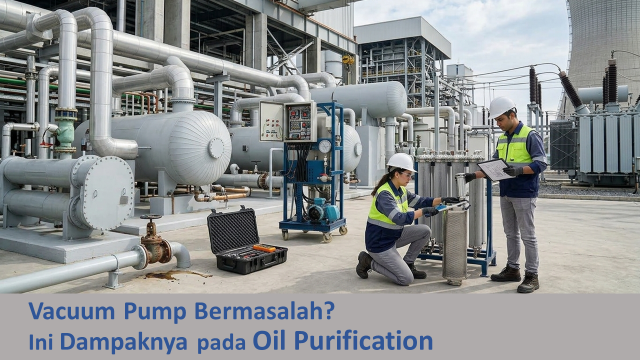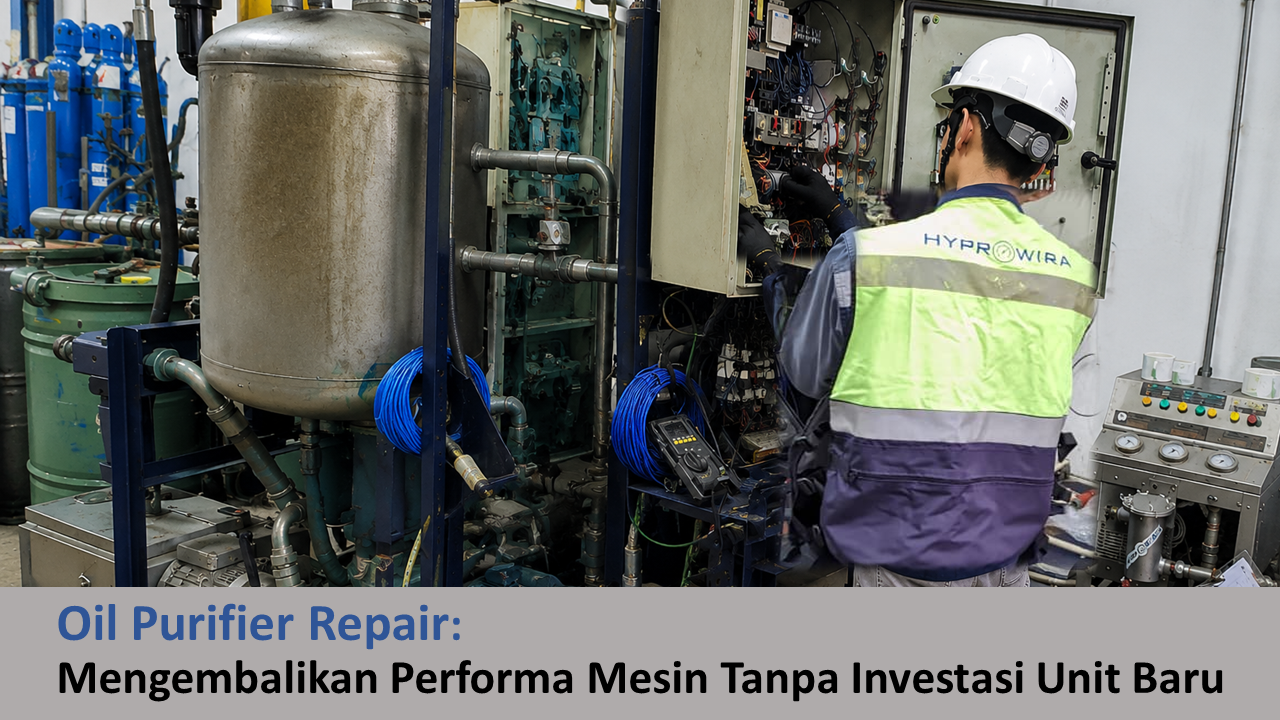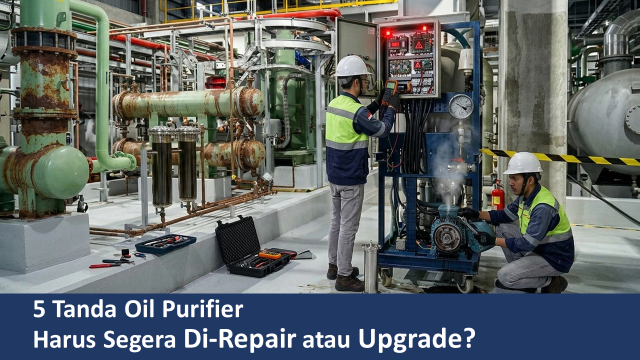
An oil purifier is a crucial piece of equipment for the maintenance of transformers, turbines, and other machinery that relies on lubricants; it helps maintain oil quality through filtration, heating, vacuum dehydration, and degassing. When oil quality deteriorates, the purifier is essential for reducing contaminants such as moisture, particulates, air, and dissolved gases. However, what happens when the oil purifier itself begins to malfunction? Equipment that fails to operate optimally can render the purification process less effective and more time-consuming, potentially even disrupting maintenance operations. Therefore, recognizing early warning signs is vital so that repairs can be performed before minor issues escalate into major breakdowns.
1. Vacuum Fails to Reach Required Levels
A key performance indicator for an oil purifier is the vacuum system's ability to achieve necessary operating conditions. The vacuum plays a critical role in removing moisture and dissolved gases from the oil.
If the vacuum struggles to reach the required level, takes an excessively long time to do so, or cannot be maintained stably, the situation requires immediate inspection. Potential causes include a decline in vacuum pump performance, leaks in hoses or connections, faulty valves, worn seals, or issues with other vacuum system components.
Do not ignore vacuum-related issues, as dehydration and degassing processes will be compromised if the system is not functioning correctly.
2. Reduced Oil Flow or Circulation Capacity
Another sign of trouble is a drop in oil flow or circulation capacity. If a process that typically takes a certain amount of time suddenly takes significantly longer, there may be an issue with the oil pump, filters, valves, or piping system.
Excessively dirty or clogged filter elements can increase flow resistance. Meanwhile, a decline in oil pump performance can cause flow rates and pressure levels to deviate from normal operating parameters.
This situation should not be viewed merely as a productivity issue; reduced flow can also compromise the overall effectiveness of the purification process.
3. Heater Fails to Reach or Maintain Temperature
The heating system is a vital component of the oil purification process. Maintaining the correct temperature facilitates the removal of moisture from the oil under vacuum conditions. If the heater takes too long to reach the target temperature, the temperature is unstable, or the set point cannot be reached, inspect the heating element, temperature sensor, thermostat/controller, contactor, wiring, and other related components.
Beyond impacting purification performance, issues with the heating system also require attention regarding operational safety. Therefore, do not bypass protection systems simply to keep the equipment running.
4. Oil Purifier Frequently Trips or Alarms
If the oil purifier trips frequently, alarms trigger repeatedly, or the equipment stops suddenly during operation, do not simply reset and restart it without investigating the root cause.
Alarms can stem from various conditions, such as over-temperature, low oil level, abnormal pressure, vacuum issues, motor overload, or faults in sensors and control systems. An increasing frequency of alarms signals that a part of the equipment requires inspection.
Proper troubleshooting is necessary to distinguish whether the problem originates from mechanical, electrical, instrumentation, or control system components.
5. Purification Results No Longer Meet Expectations
This is one of the most critical indicators. If the oil purifier continues to operate but purification results do not show the expected improvement, the equipment requires evaluation.
For instance, after the purification process, transformer oil quality parameters—such as water content or breakdown voltage (BDV)—may not show changes consistent with the process conditions and targets. Such conditions could indicate problems with filtration, the vacuum system, the heating system, oil circulation, or other parts of the purifier.
However, note that oil test results do not always point to a problem with the purifier itself. The initial condition of the transformer oil, the nature of the contamination, the condition of the transformer, sampling methods, and testing procedures can all influence the results. Therefore, a comprehensive evaluation should be conducted.
Do Not Wait for an Oil Purifier Breakdown
Major equipment failures are often preceded by symptoms that were already visible. Declining vacuum levels, reduced flow, unstable heater performance, frequent alarms, or suboptimal purification results are all indicators that warrant attention.
Inspecting and repairing oil purifiers as soon as early symptoms appear can help prevent issues from escalating into serious damage. Beyond potentially reducing downtime, this approach extends equipment lifespan and avoids the need for a full unit replacement when key components remain salvageable.
Equally important is viewing the oil purifier's condition as part of a comprehensive maintenance strategy. Oil quality should be monitored through periodic testing, while transformer condition can be evaluated using methods such as Dissolved Gas Analysis (DGA) as needed. By integrating oil testing, purification, equipment maintenance, and condition assessment, maintenance decisions can be based on actual conditions rather than just a schedule.
Time to Check Your Oil Purifier
An optimally functioning oil purifier is crucial for maintaining the readiness of your maintenance program. If the equipment begins to show signs of declining performance, do not wait for a breakdown to occur.
PT Hyprowira Adhitama offers oil purifier repair and upgrade solutions to help identify issues and restore performance to meet operational requirements. Proper inspection helps determine whether the equipment needs specific component repairs, an overhaul, or other interventions.
Addressing symptoms early is far more effective than waiting for damage to worsen.