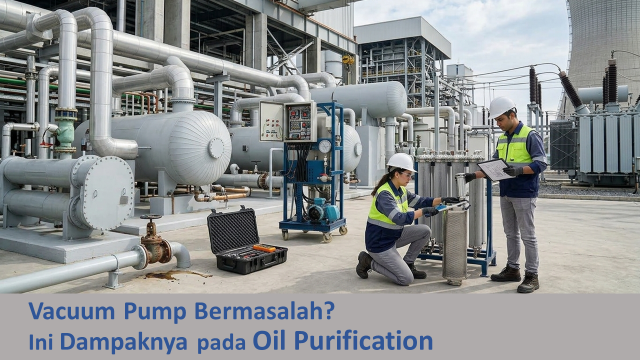
In an oil purification system, the vacuum pump plays a critical role, particularly during vacuum dehydration and degassing processes. Transformer and turbine oils can accumulate moisture, air, and dissolved gases due to operational processes, environmental conditions, or insulation system degradation. To mitigate these contaminants, the oil purifier employs a vacuum system to lower the pressure within the treatment chamber, allowing moisture and gases to be separated from the oil more effectively. Consequently, a decline in vacuum pump performance impacts not just that single component but the entire oil purification process.
What Is the Function of the Vacuum Pump in an Oil Purifier?
Simply put, the vacuum pump creates and maintains the vacuum conditions required for the purification process. At lower pressures, moisture and gases trapped in the transformer oil are more easily extracted during treatment.
In practice, the vacuum system's performance depends on more than just the vacuum pump; components such as the vacuum chamber, valves, hoses, pipes, seals, gaskets, connections, and other supporting parts must also be in good condition. However, the vacuum pump is a key component requiring close attention, as a drop in its performance can prevent the system from achieving or maintaining the vacuum levels necessary for the process.
1. Difficulty Reaching the Required Vacuum Level
A common indicator is that the system takes longer than usual to reach operating vacuum conditions or fails to attain the levels the equipment typically achieves.
This issue can stem from several factors, including reduced vacuum pump capacity, internal component wear, system leaks, improper oil pump operation, or problems with valves and seals.
Before concluding that the vacuum pump is faulty, a thorough inspection of the entire vacuum system is essential. Even minor leaks in hoses, gaskets, connections, or valves can hinder the formation of the required vacuum.
2. Unstable Vacuum During the Process
An unstable vacuum—where the level drops or fluctuates abnormally after being established—is another warning sign that requires attention.
Vacuum instability can lead to inconsistent dehydration and degassing conditions, potentially compromising purification effectiveness throughout the process. Inspections must be conducted systematically, covering everything from the condition of the vacuum pump, sealing system, valves, and piping to the instrumentation used to monitor vacuum pressure.
3. Suboptimal Dehydration Process
One of the primary objectives of oil purification is to reduce moisture content in transformer oil. If the vacuum system is not functioning optimally, the moisture removal process becomes less effective.
The impact is evident in the transformer oil test results following purification. If the water content remains high or the reduction falls short of expectations, the condition of the oil purifier requires evaluation.
However, such results do not necessarily mean the vacuum pump is the culprit. Factors such as the initial state of the oil, treatment temperature, processing capacity, contamination characteristics, and the overall condition of the purification system must also be examined.
4. Suboptimal Degassing Process
In addition to moisture, transformer oil can contain dissolved air and gases. The vacuum system facilitates the release of these gases during treatment.
If the vacuum fails to reach the required level, the degassing process becomes less effective. This is particularly critical when oil purification is performed as part of transformer maintenance requiring specific oil quality standards.
To gain a more comprehensive understanding of the transformer's condition, purification results can be cross-referenced with Dissolved Gas Analysis (DGA) testing. DGA serves a different purpose than oil purification: while purification treats the oil, DGA is used to evaluate dissolved gases and identify potential faults within the transformer.
5. Extended Purification Time
When vacuum pump performance declines, a noticeable consequence is the increased time required to complete the purification process.
The equipment may remain operational but takes longer to achieve the necessary vacuum level and complete the treatment cycle. If this occurs repeatedly, maintenance productivity can be adversely affected.
In the long run, operating equipment under suboptimal conditions increases the strain on specific components, potentially accelerating wear and tear or leading to premature failure.
Does the Vacuum Pump Need Immediate Replacement?
Not necessarily. When a problem arises with the vacuum system, the more appropriate course of action is to first conduct an inspection and troubleshooting.
Inspections may cover the vacuum pump's condition, motor performance, oil levels or lubricant condition (where applicable), hoses and piping, valves, seals, gaskets, vacuum gauges/sensors, and potential system leaks.
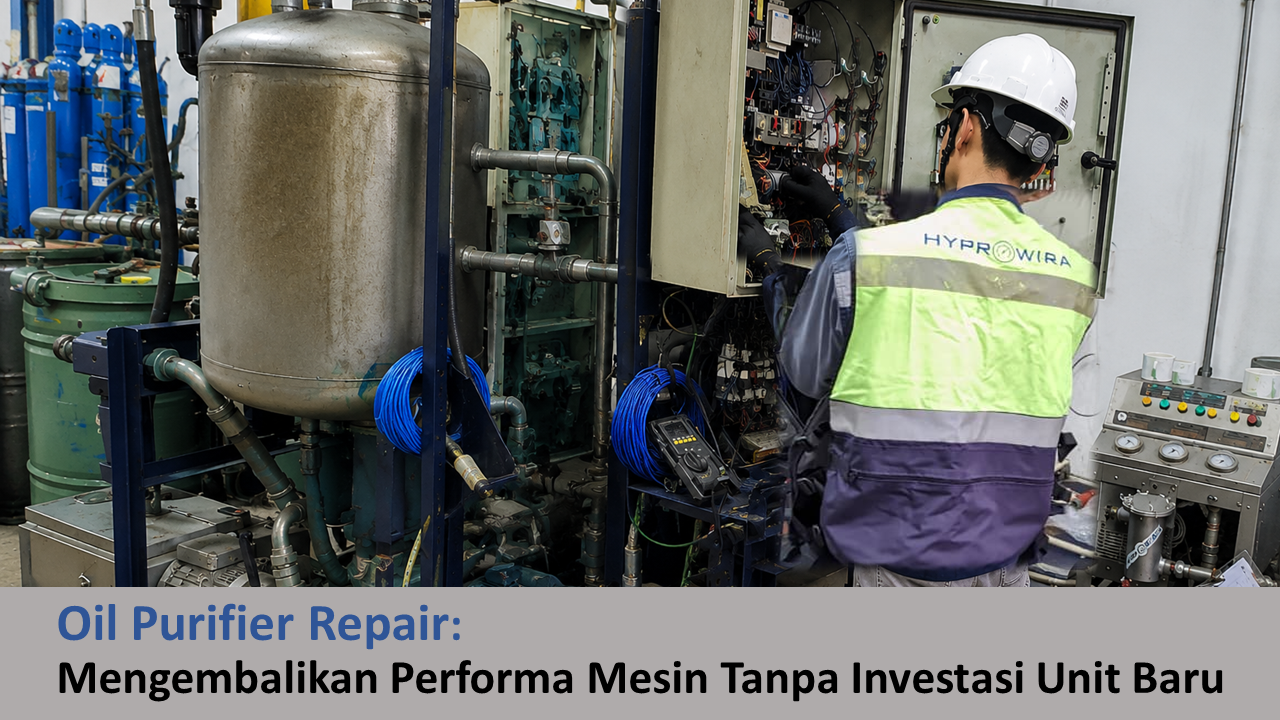
If components show wear or damage but the equipment's main components remain in good condition, an Oil Purifier Repair can be a viable option to restore system performance without replacing the entire unit.
In certain situations, the vacuum pump may require an overhaul, replacement of wear parts, or a full unit replacement, depending on the inspection results and the extent of the damage.
Do Not Ignore Early Signs
Vacuum pump issues often do not cause the oil purifier to stop working immediately. The equipment may continue to operate, but its performance gradually declines. Signs requiring attention include a longer time to achieve the required vacuum level, unstable vacuum, prolonged purification processes, or suboptimal dehydration and degassing results.
Early troubleshooting and repair can prevent minor issues from escalating into major damage. Furthermore, companies can retain equipment that is still serviceable and optimize maintenance costs.
A Healthy Vacuum System Ensures Optimal Oil Purification
An oil purifier operates as an integrated system. While a well-functioning vacuum pump is crucial, purification performance also depends on the heating system, oil pump, filtration system, vacuum chamber, control system, and the condition of other supporting components.
Therefore, oil purifier maintenance should be comprehensive and based on the equipment's actual condition. Periodic inspections, troubleshooting upon the appearance of abnormal symptoms, and Oil Purifier Repairs or Upgrades help maintain equipment readiness to support transformer maintenance activities.
PT Hyprowira Adhitama offers Oil Purifier Repair and Upgrade solutions to assist with the inspection and repair of equipment experiencing performance degradation. With the right approach, the oil purifier can return to optimal functionality and continue supporting oil maintenance needs.
Do not wait for the vacuum pump to fail completely. When performance begins to decline, that is the critical moment to undertake inspection and repair.