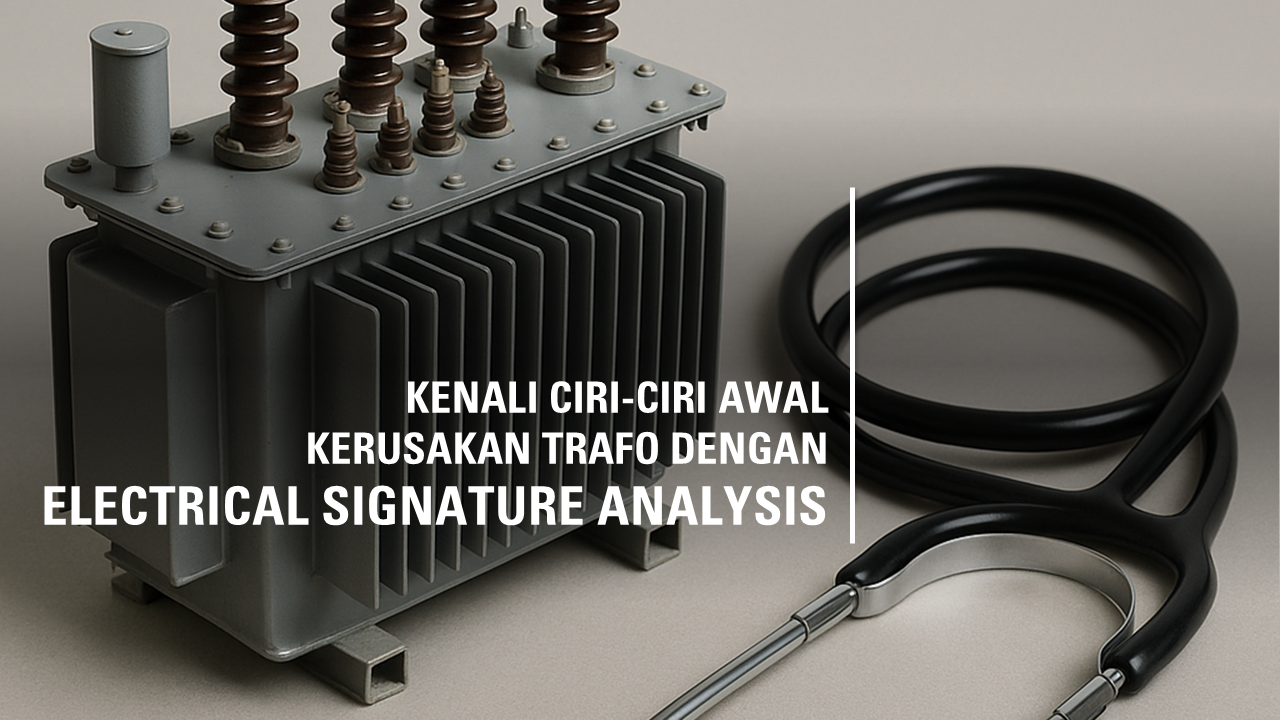
Transformers are vital components in electrical distribution systems across various sectors, from industry and offices to power plants. However, like other equipment, transformers can experience damage—and often, this damage is not visible to the naked eye until a catastrophic failure occurs. This is where Electrical Signature Analysis (ESA) plays a crucial role.
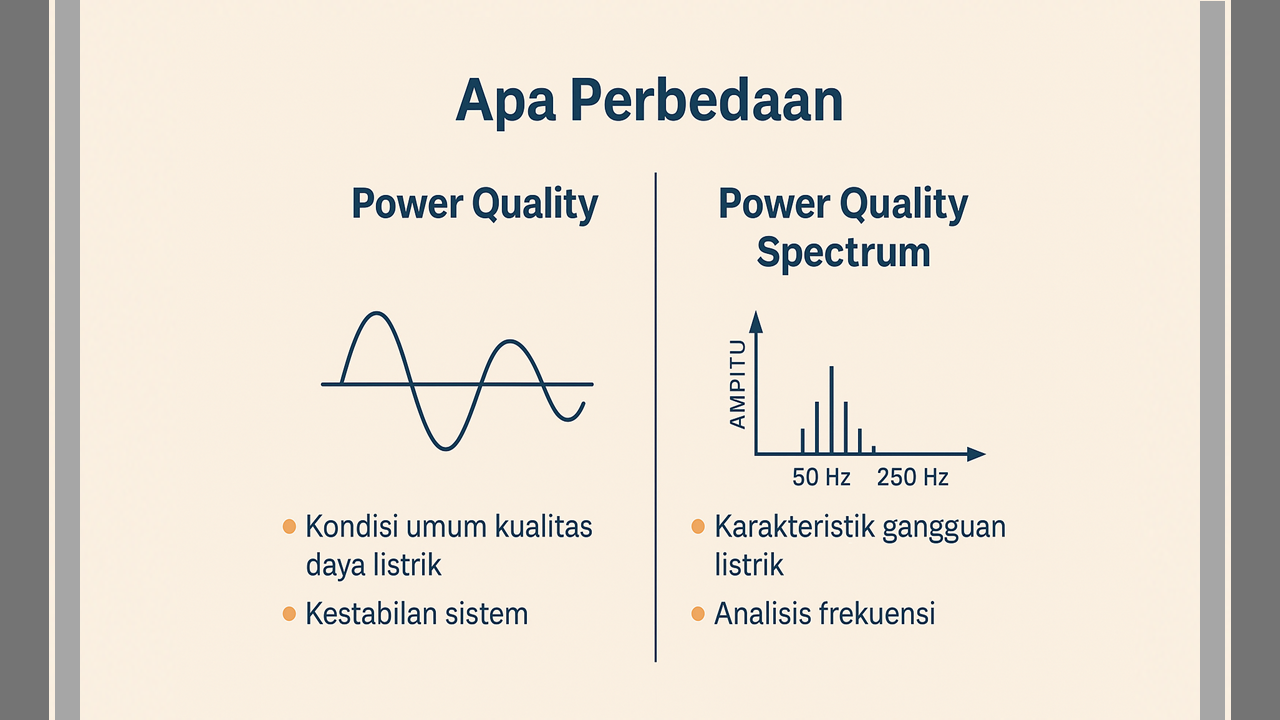
Electrical Signature Analysis is a method for monitoring transformer conditions in real time by analyzing electrical signatures such as current, voltage, and harmonics to detect any disturbances or anomalies that may be occurring in the transformer. This article will discuss how ESA works and the early signs of transformer failure that can be identified using this technique.
What is Electrical Signature Analysis (ESA)?
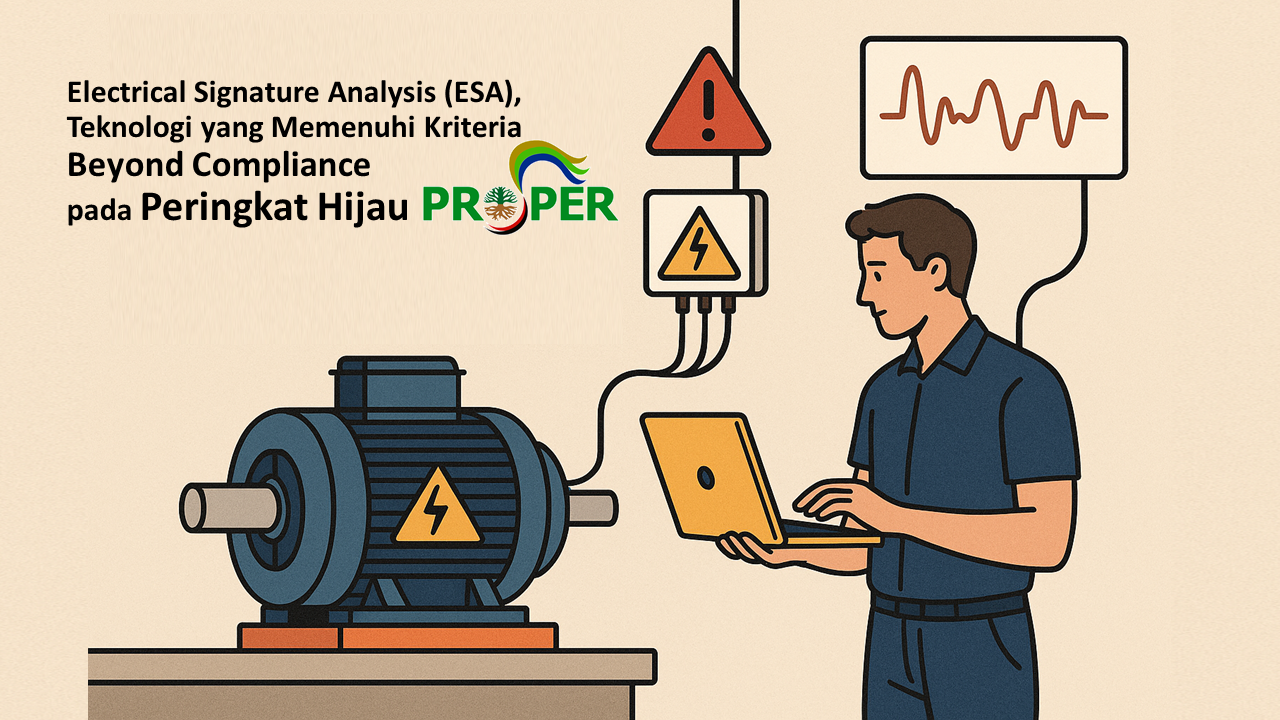
Electrical Signature Analysis (ESA) is a non-invasive method that observes the current and voltage patterns of electrical equipment to detect potential problems. This technique was originally used in electric motors, but has now also proven effective in detecting early damage in transformers.
By utilizing sensor equipment (such as Current Transformers and Voltage Transformers) and analysis software, ESA can provide accurate data without having to stop the transformer.
Early Signs of Transformer Damage Detected Through ESA
Here are some early indications of transformer damage that can be detected through Electrical Signature Analysis:
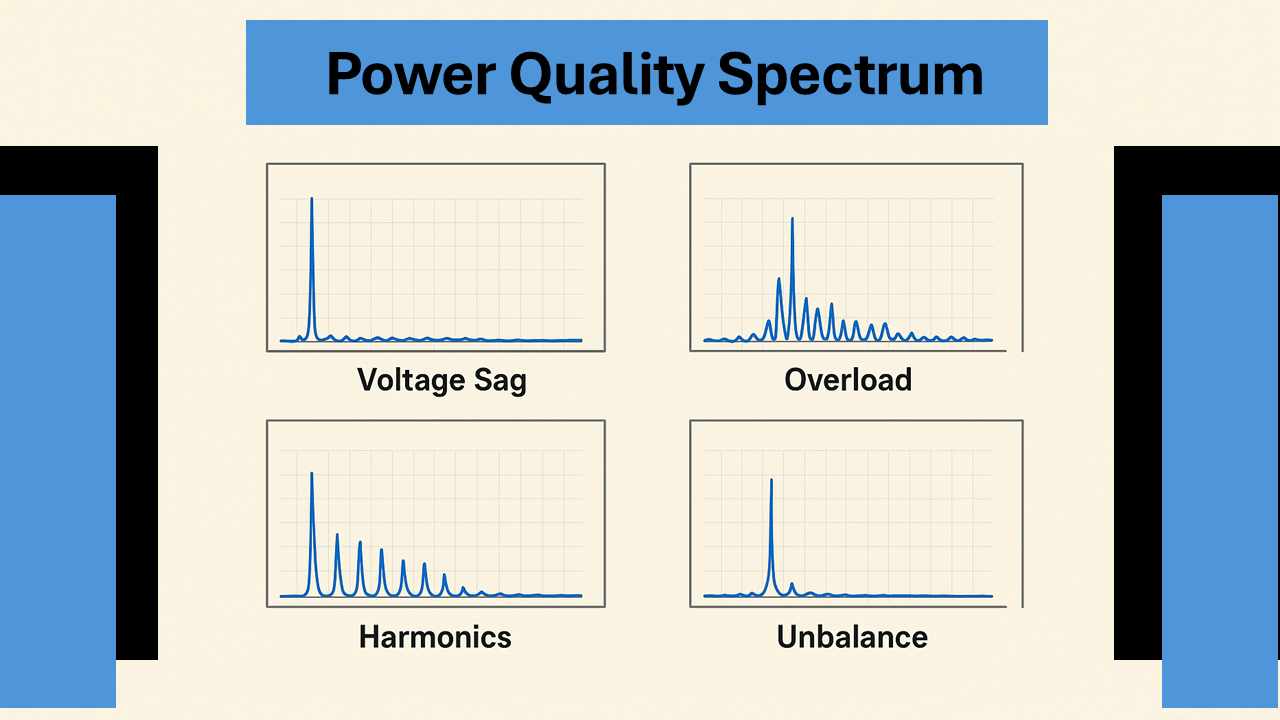
1. Increase in Even Harmonics (2, 4, 6)
If ESA detects a predominance of even harmonics in the current or voltage signal, this could indicate:
- Iron core saturation
- System asymmetry, such as winding imbalance
2. Current Waveform Distortion
Current waveform distortion typically indicates:
- Shorted turns (windings that are beginning to short partially)
- Insulation deterioration
- Magnetic interference in the transformer
3. Impedance Change
A decrease in impedance in one of the phases can indicate:
- Insulation degradation
- Overheating or corrosion in the windings
4. Phase Angle Shift
If the angle difference between the phases exceeds the normal value, it could be:
- Load imbalance
- Loose cable connections
- Internal structural weaknesses
5. Noise or Vibration Patterns Electrical (Acoustic/Electrical Noise)
ESA is also capable of detecting high-frequency transients caused by:
- Partial discharge (PD)
- Loose connections
- Carbonated contact surfaces
When Should ESA Be Performed?
- When the transformer shows signs of unstable voltage
- If there is an unexplained power supply disruption
- As part of a periodic predictive maintenance program
- On transformers operating in extreme environments or high loads
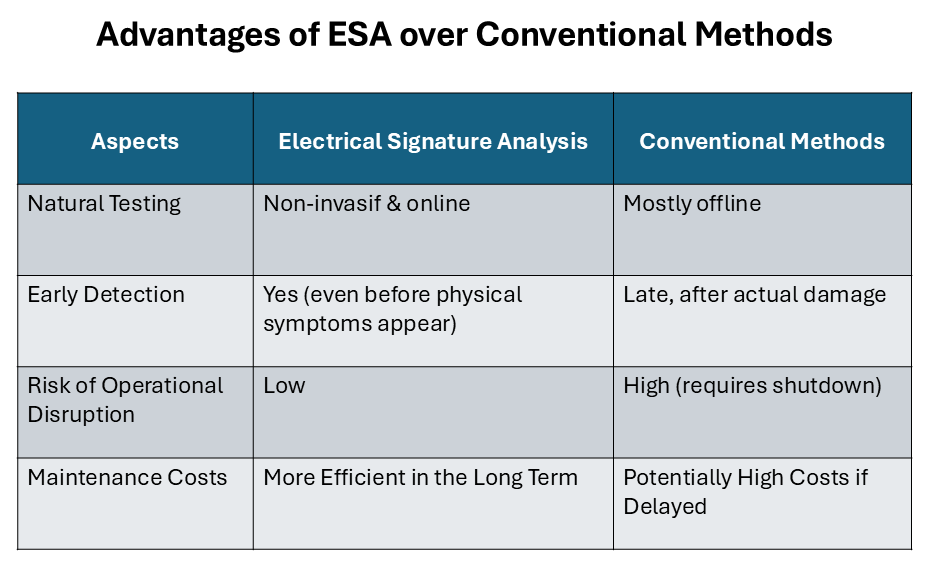
Electrical Signature Analysis is a smart and efficient solution for monitoring transformer condition without disrupting operations. By recognizing early signs of transformer damage through ESA, companies can prevent major damage, avoid unexpected downtime, and save long-term maintenance costs.
Prevention is better with early detection than repair when it's too late. Have the transformers at your facility been monitored with ESA?