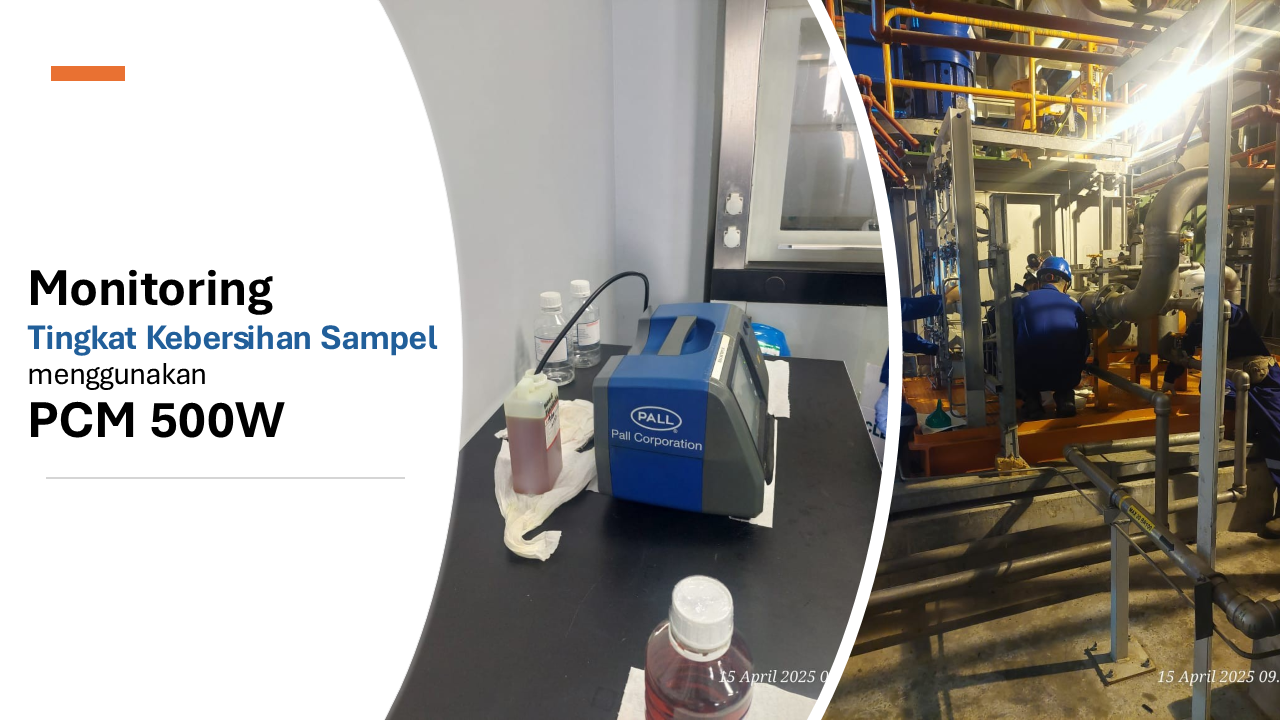
Not many people realize that oil that looks clean is not necessarily free from contaminants. In fact, these small invisible particles can accelerate engine wear and reduce work efficiency. This is the importance of routinely monitoring oil cleanliness, to ensure that the oil is truly in optimal condition. There are several methods used to monitor cleanliness levels. One method is the Filter Blockage principle using the PCM 500 tool.
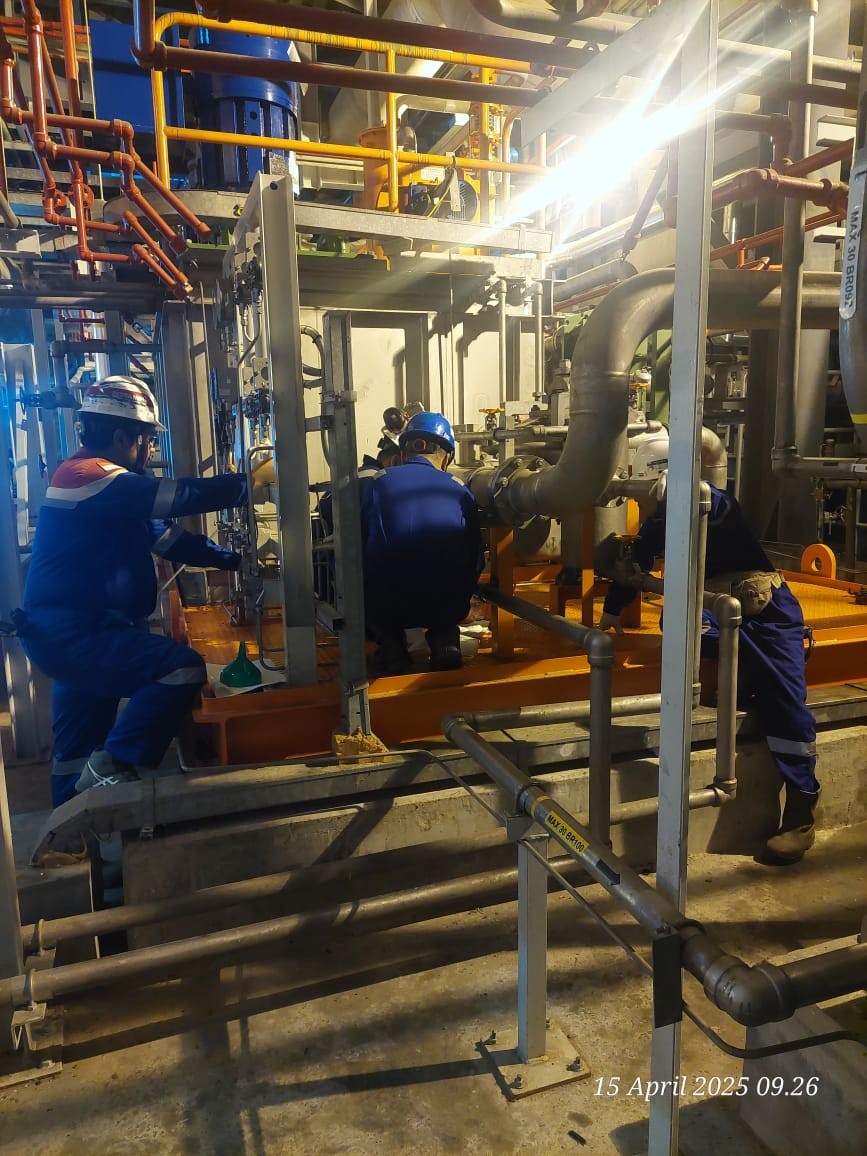
Filter Blockage is a semi-quantitative cleanliness level testing method based on filter technology, both online and offline in a container. This method is suitable for cleaning the cleanliness level in hydraulic systems.
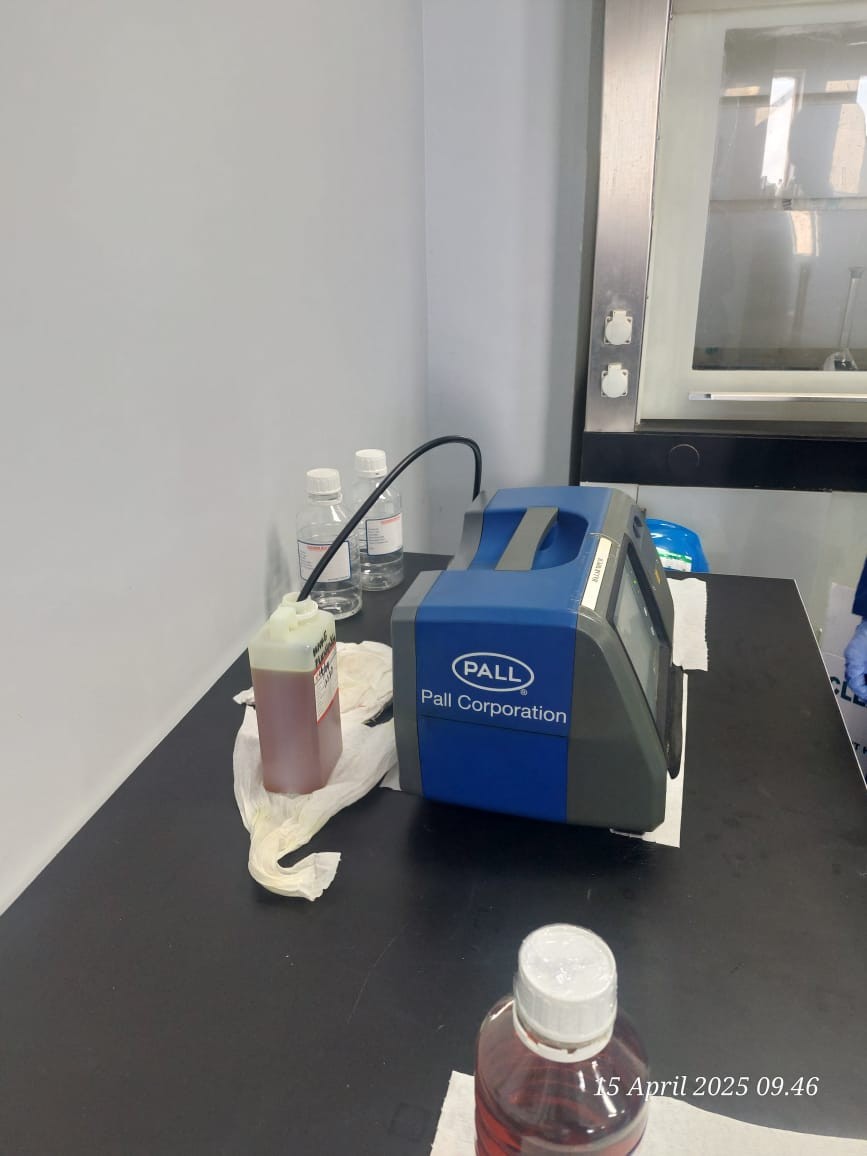
The PCM500 uses proven mesh blockage technology to report accurate and reliable cleanliness codes for most types of fluids, in all types of environments. This method is not affected by dark colored samples and samples with high water content. For one test, this tool requires a minimum sample volume of 700mL with an estimated analysis time of 7 minutes per sample. With the results of the analysis obtained are: Cleanliness level (ISO 4406, NAS 1638, SAE AS 4059), Water Content (% Saturation), Viscosity (when the sample enters the tool).
Determination of the cleanliness level of lubricants and fuels with sample conditions that have high water contamination and dark sample colors can be done using the PCM method based on the filter blockage technique based on ISO 21018-3.
The PCM500 can be installed permanently to monitor critical applications (including component testing facilities) or used as a portable device for routine condition monitoring of various fluid systems.
Reference:
ISO 21018-3:08 (Hydraulic fluid power-Monitoring the level of particulate contamination of the fluid- Part 3. Use of the filter blockage technique)