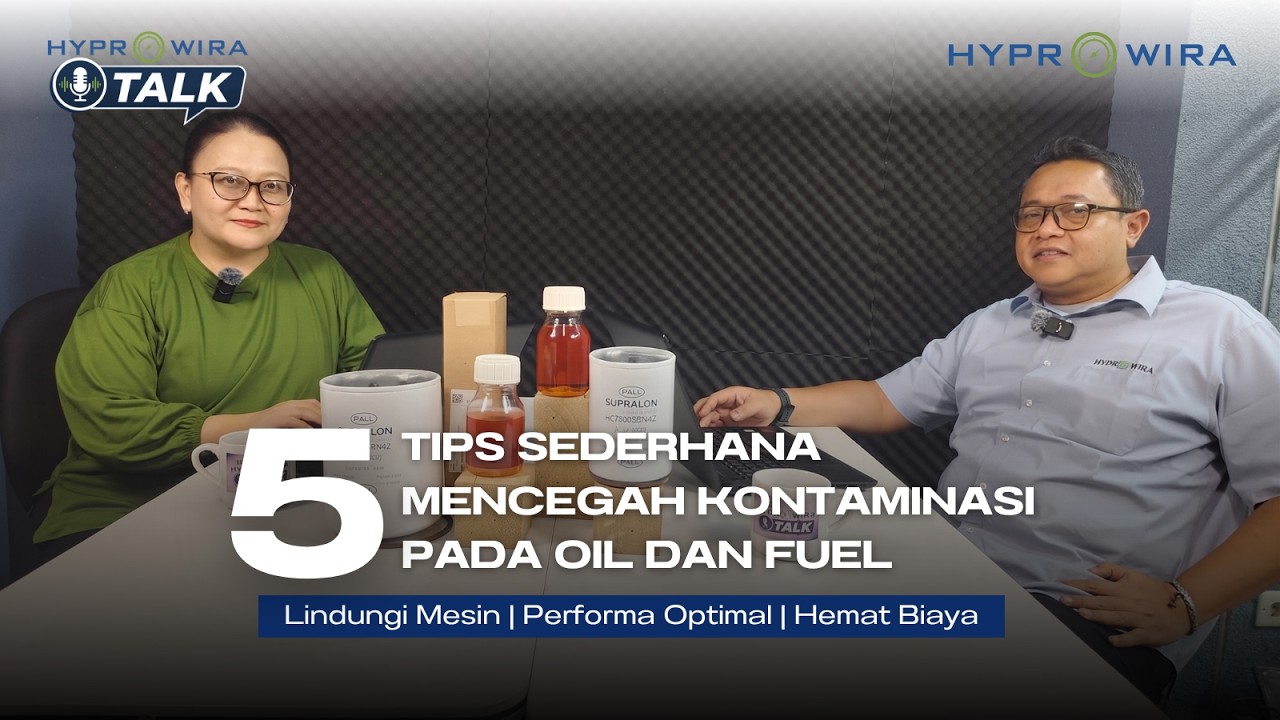
Choosing the wrong cleanliness analysis method can lead to inaccurate results! Tune in to our latest podcast for a comprehensive discussion on selecting the right cleanliness testing methods and identifying various types of particles.
How do you choose the appropriate cleanliness analysis method for lubricants and fuels? Not all samples can be tested using the same approach. Physical characteristics—such as color, viscosity, water content, and the specific type of contaminants—are crucial factors in determining the best testing method. For lubricants, we cover techniques including the use of an Automatic Particle Counter (APC), microscopic particle examination, gravimetric analysis, and the filter blockage method for field monitoring.
For fuels, testing methods can be tailored to specific objectives: from the "Clear and Bright" test and portable particle counters for rapid checks, to ASTM D2276 for laboratory-based particulate analysis, and even microbiological testing to detect bacterial contamination. Join Sylvana and Citra in this podcast to learn how to select the right analysis method, obtain more accurate data, and optimize your condition monitoring program—ultimately ensuring fluid cleanliness and machine reliability.