
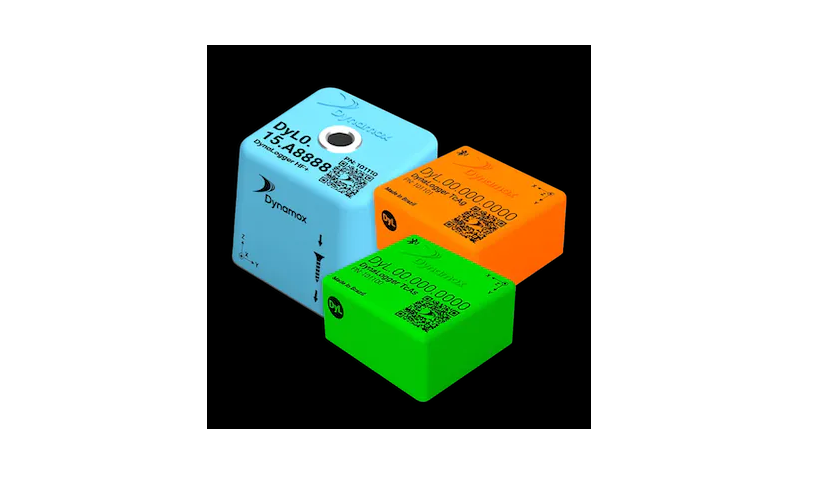
In industrial environments, the importance of safety and efficiency cannot be overstated. One of the key ways that these goals can be achieved is through the use of wireless vibration and temperature sensors. These sensors have revolutionized the way that industrial machinery is monitored, providing real-time data that can help operators identify potential problems before they escalate into costly breakdowns or accidents.
The benefits of wireless sensors are numerous. One of the most significant advantages is that they can be placed in hard-to-reach or hazardous areas without the need for extensive cabling or wiring. This means that sensors can be installed quickly and easily, reducing installation costs and minimizing disruption to ongoing operations.
Wireless sensors are also highly flexible. They can be repositioned or reconfigured as needed to support changes in the industrial environment. This means that sensors can be quickly moved to new locations or reprogrammed to monitor different variables, such as pressure, humidity, or air quality.
Another advantage of wireless sensors is that they can help industrial facilities reduce their energy consumption and environmental impact. By providing real-time data on energy usage and environmental conditions, these sensors can help operators identify areas for improvement and optimize their operations accordingly.
In terms of safety, wireless sensors can provide critical data that can help prevent accidents and injuries. For example, vibration sensors can be used to monitor the performance and health of industrial machinery. By detecting changes in vibration patterns, these sensors can alert operators to potential problems, allowing them to take action before a breakdown occurs. Temperature sensors can also be used to monitor the temperature of machinery, detecting overheating or other issues that could result in a fire or other safety hazard.
Overall, the use of wireless vibration and temperature sensors represents a significant opportunity for industrial facilities to improve their operations, reduce costs, and enhance the safety of their workers. As technology continues to advance, we can expect to see even more innovative applications of wireless sensors in industrial environments. For example, sensors could be used to monitor worker safety, track inventory, or optimize supply chain logistics.
However, it's important to note that implementing wireless sensors is not a one-size-fits-all solution. Each industrial facility is unique, and operators must carefully consider their specific needs and requirements when selecting and deploying wireless sensors. Factors such as the type of machinery being monitored, the environment in which the sensors will be deployed, and the desired outcome must all be taken into account.
In conclusion, wireless vibration and temperature sensors are playing an increasingly important role in improving safety and efficiency in industrial environments. With their ability to provide real-time data, wireless sensors can help operators identify potential problems before they escalate into costly breakdowns or accidents. As industrial facilities continue to adopt this technology, we can expect to see even greater improvements in safety, efficiency, and environmental sustainability.
For Wireless Vibration and Temperature Sensors, please contact PT Hyprowira Adhitama, as the distributor of the in Indonesia, which is supported by our experts.


